The 2026 BMW X5 is entering its seventh and final year of production. BMW typically updates its vehicles only once during a seven-year cycle, at the LCI (Life Cycle Impulse) halfway through. The LCI for the G05 X5 arrived for the 2024 model year. BMW has treated the X5 xDrive50e differently, however, upgrading the onboard charger from 7.4 kW to 11 kW and moving from iDrive 8 to iDrive 8.5. The higher-capacity charger converts 220V AC power to DC, allowing a full charge in about 2.5 hours.
More Power, More Range
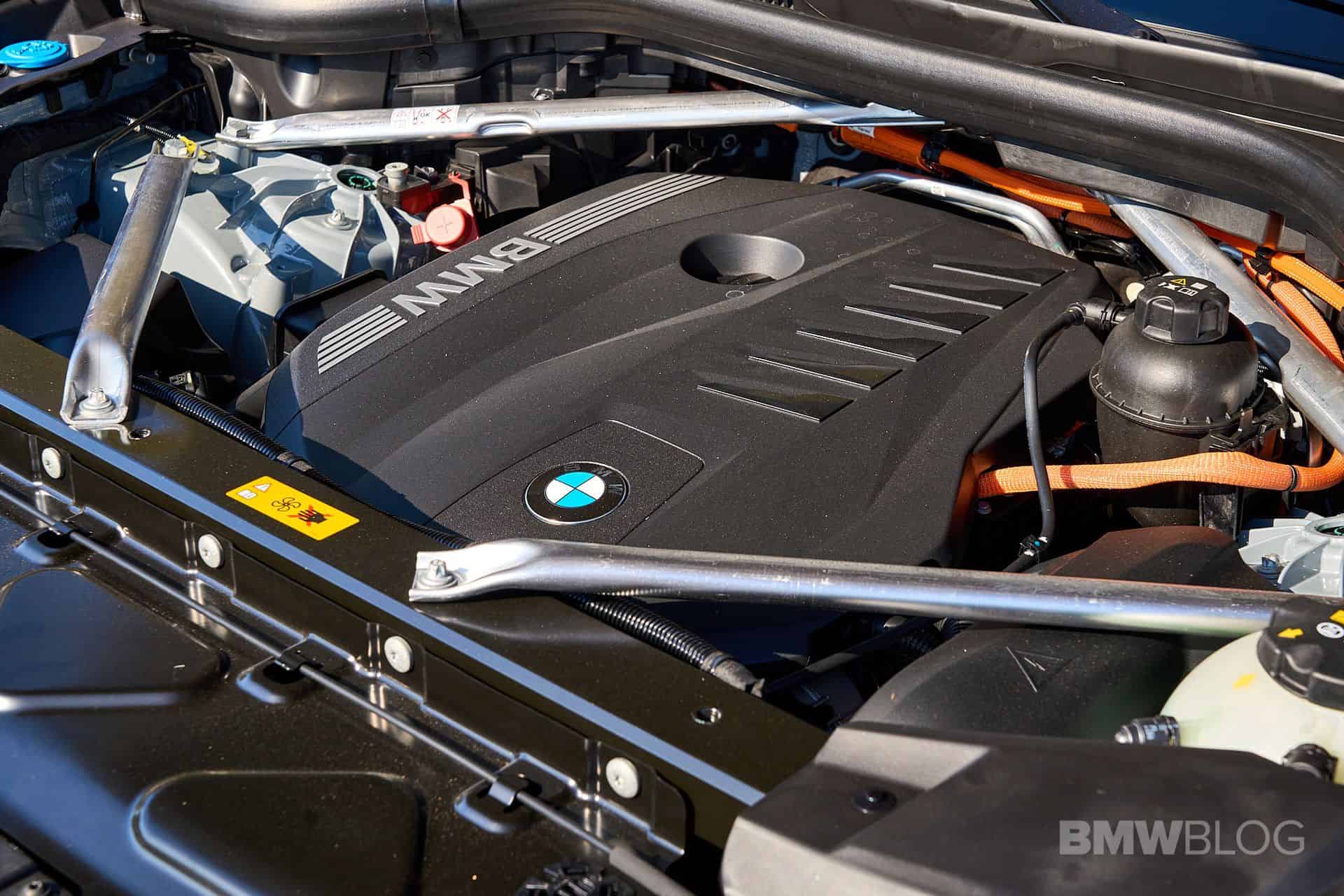
BMW’s hybrid powertrain in the X5 xDrive50e delivers a combined 483 hp and 517 lb-ft of torque—an increase of 94 hp and 73 lb-ft over the pre-facelift X5 xDrive45e. With the LCI, battery capacity also increased by 25% to 25.7 kWh usable (29.5 kWh gross). BMW claims an electric-only range of up to 38 miles. However, in our testing of the 2026 X5 xDrive50e, we exceeded 45 miles on EV power alone across mixed conditions including highway driving.
2024 BMW X5 xDrive50e
Good
- Strong performance for a plug-in hybrid
- Generous real-world electric range
- Smooth integration of electric and gasoline power
Bad
- Reduced cargo area and no third row
- Smaller fuel tank + added weight
- Rear seating practicality is compromised
The B58 inline six-cylinder turbo in the X5 xDrive50e is rated at 289 hp. BMW’s straight-six has been a hallmark of the brand for decades, and the B58 remains a standout. When additional power is requested or the high-voltage battery is depleted, the engine starts almost imperceptibly. The X5 xDrive50e reaches 0–60 mph in a remarkable 4.6 seconds—astonishing for a 5,573-lb vehicle. In many ways, this hybrid powertrain feels engineered more for performance than efficiency. Even in Sport mode, the electric motor fills in power instantly, eliminating turbo lag entirely.

Power is routed through BMW’s xDrive all-wheel-drive system and an eight-speed automatic transmission designed specifically for hybrid operation. A 194-hp electric motor is integrated into the transmission bell housing. This fifth-generation eDrive setup is a technical achievement, seamlessly blending EV-only, hybrid, and gasoline operation. Because the motor sits ahead of the gears, the X5 can use all eight speeds even in electric-only mode.
Various Driving Modes

Four configurable drive modes are available: Electric, Hybrid, Sport, and Battery Hold. These are controlled via dedicated buttons left of the start/stop switch, with Battery Hold located above it. With iDrive 8.5, many controls now live within the 14.9-inch touch display; fortunately, drive modes and transmission settings retain physical inputs. The iDrive rotary controller is still present—for now—though we expect it to disappear in the next-generation X5.

Electric mode prioritizes battery usage until depleted, though full throttle will override it and start the combustion engine. Hybrid mode switches intelligently based on charge level and throttle demand. Battery Hold mode allows drivers to preserve charge at a set level (for example, 80%)—useful in European cities where EV-only zones reduce congestion fees. Sport mode keeps the engine running continuously and is the least efficient.
The Driving Experience

From behind the wheel, I expected a reserved hybrid experience. Instead, the X5 xDrive50e feels like a stealth performance SUV. Despite the extra 550 lbs of hybrid hardware, BMW has managed to preserve an impressively athletic character. Under heavy braking, the weight becomes noticeable, but stopping performance remains strong. Lift off the throttle and regenerative braking subtly slows the vehicle while feeding energy back into the battery.

Interior quality remains a BMW strength. The driving position is excellent, the steering wheel feels substantial, and there are still useful physical buttons. Heated and ventilated seats were appreciated, and the rear bench is both comfortable and supportive. Rear-seat heating and multi-zone climate control are optional.
Unlike our 2021 BMW X3, however, the rear seats do not recline, and there is no remote release to fold them—a small annoyance when loading from the tailgate. The optional third row is also unavailable due to the battery layout. Cargo space is 60.7 cubic feet, down roughly 5 cubic feet versus non-hybrid models.
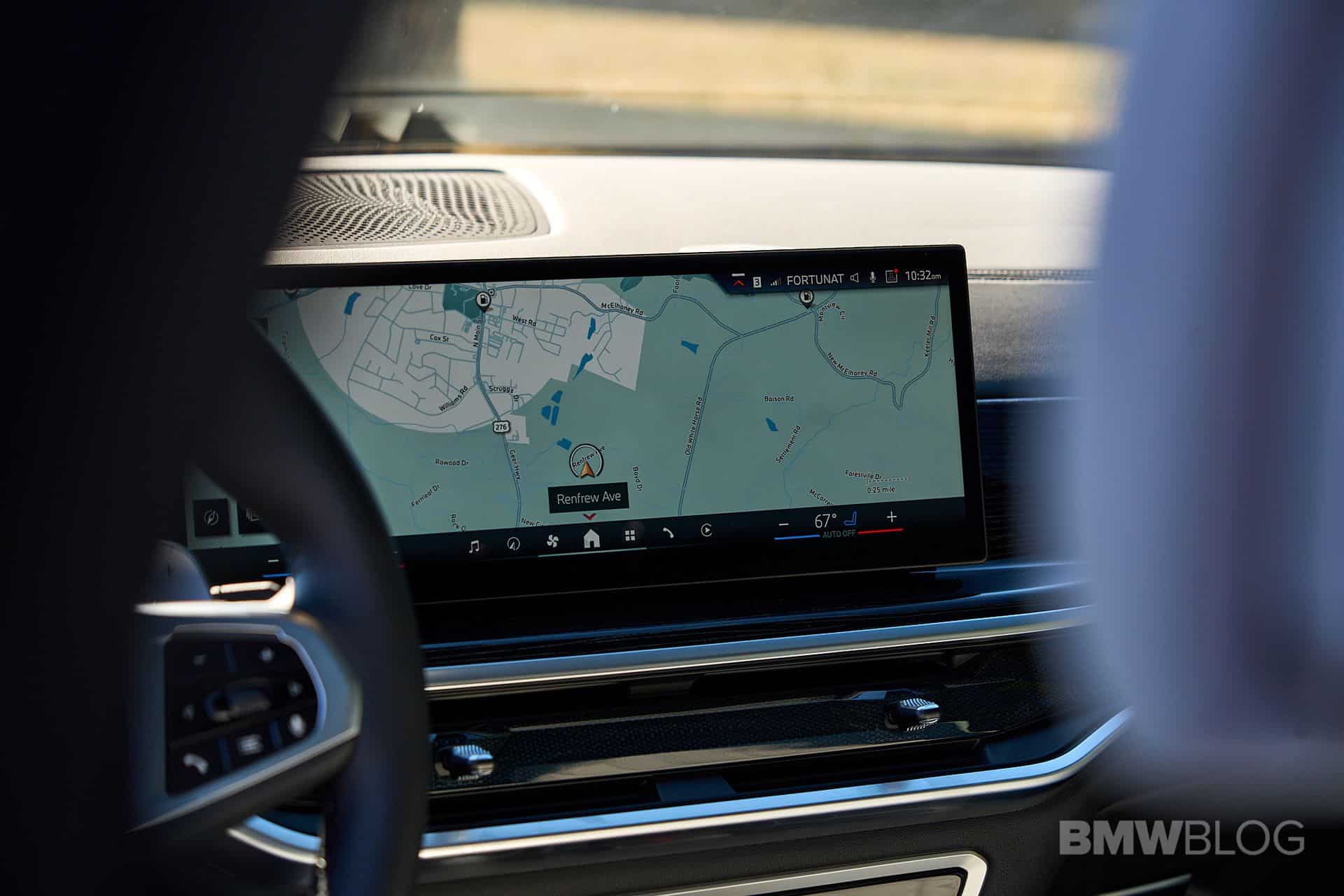
With iDrive 8.5, Apple CarPlay now displays in the head-up display and instrument cluster. To unlock full functionality, owners must pair their vehicle using the My BMW app, scan the QR code on the dash, and verify the VIN. Frequently used shortcuts, navigation history, and saved settings populate automatically.
Less Cargo Room
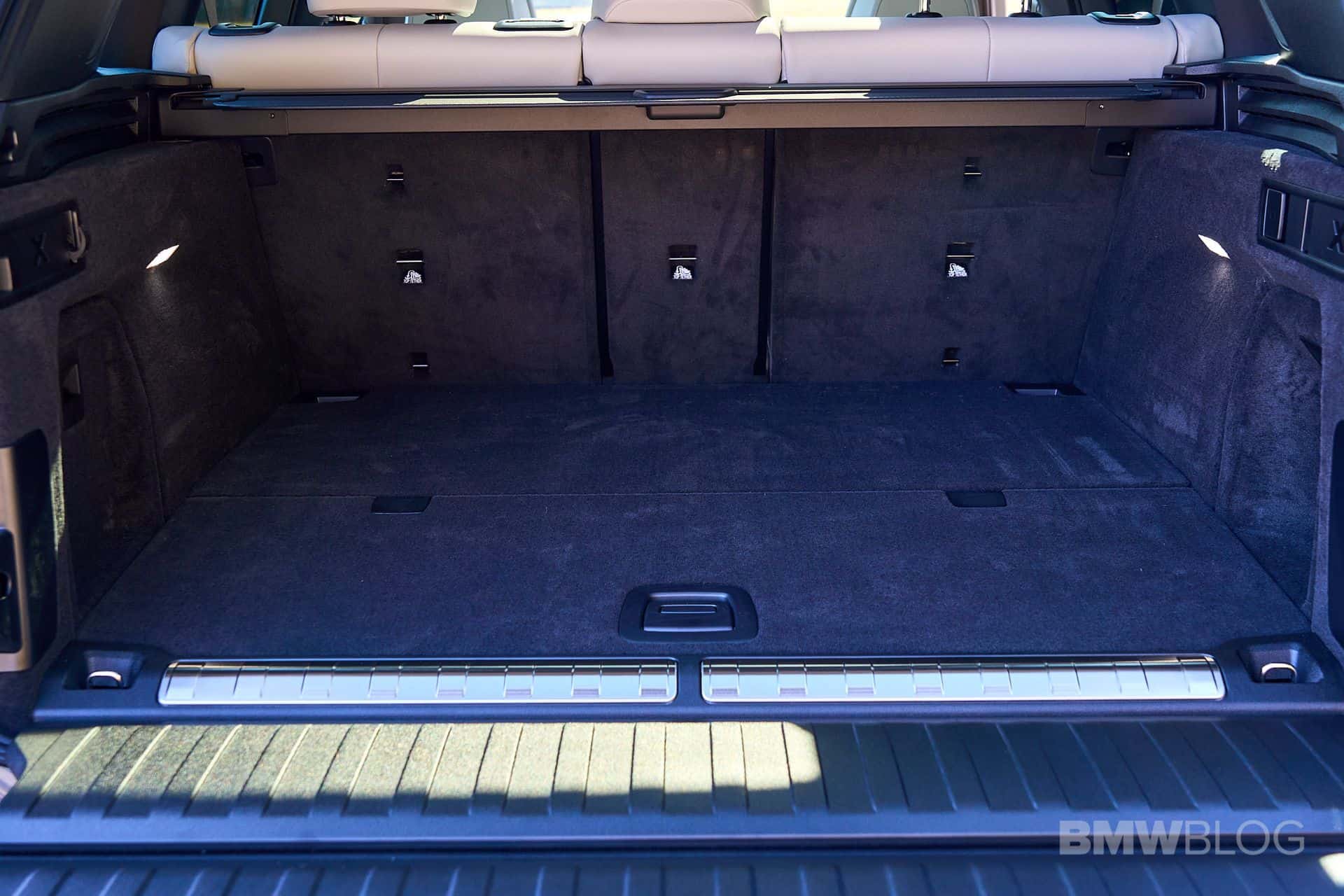
As for drawbacks? Beyond the weight increase, cargo space is slightly reduced beneath the floor—no room for a spare tire. Fuel capacity also drops from 21.9 gallons to 18.2 gallons, a reduction of 3.7 gallons. Despite this, a fully fueled and charged X5e offers roughly 550 miles of total range—far more than our 2021 X3e, whose smaller tank limits it to around 350 miles.
BMW includes a Flexible Fast Charger for 120V and 240V home charging. While a dedicated wall box is preferable for daily use, the portable charger is useful when traveling.
Base MSRP for the 2026 BMW X5 xDrive50e is $75,200, plus a $1,175 destination fee. Our test vehicle totaled $85,075 with metallic paint, Driving Assistance, Parking Assistance, Premium Package, trailer hitch, illuminated kidneys, and destination. The M Sport Package remains a compelling upgrade at just $2,750.
Still One of The Best BMW SUVs You Can Buy Today

Incremental updates keep the X5 xDrive50e competitive in its class. With federal hybrid/EV tax credits ending for manufacturers in September 2025, sales impact remains unclear—but we maintain a strong buy recommendation. Special thanks to Gregg Griswold at Baron BMW in Kansas City for supplying our test vehicle.


First published by https://bit.ly/3sM6JoH
Comments
Post a Comment