The compact SUV duo continues its unbeaten run at home, while the freshly launched iX3 and a strong electric lineup reshape the brand’s German sales story. For the third consecutive month, the BMW X1 and iX1 proved untouchable in Germany. In March 2026, the U11-generation compact SUVs combined for 4,620 new registrations, topping the internal brand rankings for the entirety of Q1 and leaving every other BMW model series clearly in their wake.
The BMW X3 came closest to challenging that lead, posting 3,795 registrations in March — a figure that the Federal Motor Transport Authority bundles together with the new electric iX3, which only went on sale March 7th. That timing caveat is important: the iX3 launched mid-month, and its 1,300-or-so estimated units already represent a remarkable start. BMW itself acknowledges that the true trajectory of the iX3 won’t be legible until the one-off effects of initial dealer stock deliveries have flushed through.
Technically, the two X3 variants share a name and a footprint, but little else. The conventionally powered X3 rides on BMW’s CLAR platform, while the new iX3 is based on the purpose-built Neue Klasse architecture — a distinction that makes the KBA’s combined registration figure feel slightly misleading to the informed observer.
A tightly bunched mid-table

Behind the X3, the 5 Series had an especially strong March with 3,117 registrations. The 3 Series (2,499), 4 Series (2,399), and 1 Series (2,314) followed in close succession, reflecting relatively balanced demand across BMW’s core sedan and hatchback lineup. A larger gap then separated the 2 Series (1,832) and the X5 (1,258) from the top tier.
At the margins of the rankings, the outgoing 8 Series and X4 are winding down gracefully, now counting for little in volume terms. The BMW XM, meanwhile, managed 55 new registrations in March — a reminder that high-performance halo models occupy a very different corner of the market.
Electric cars are no longer an asterisk
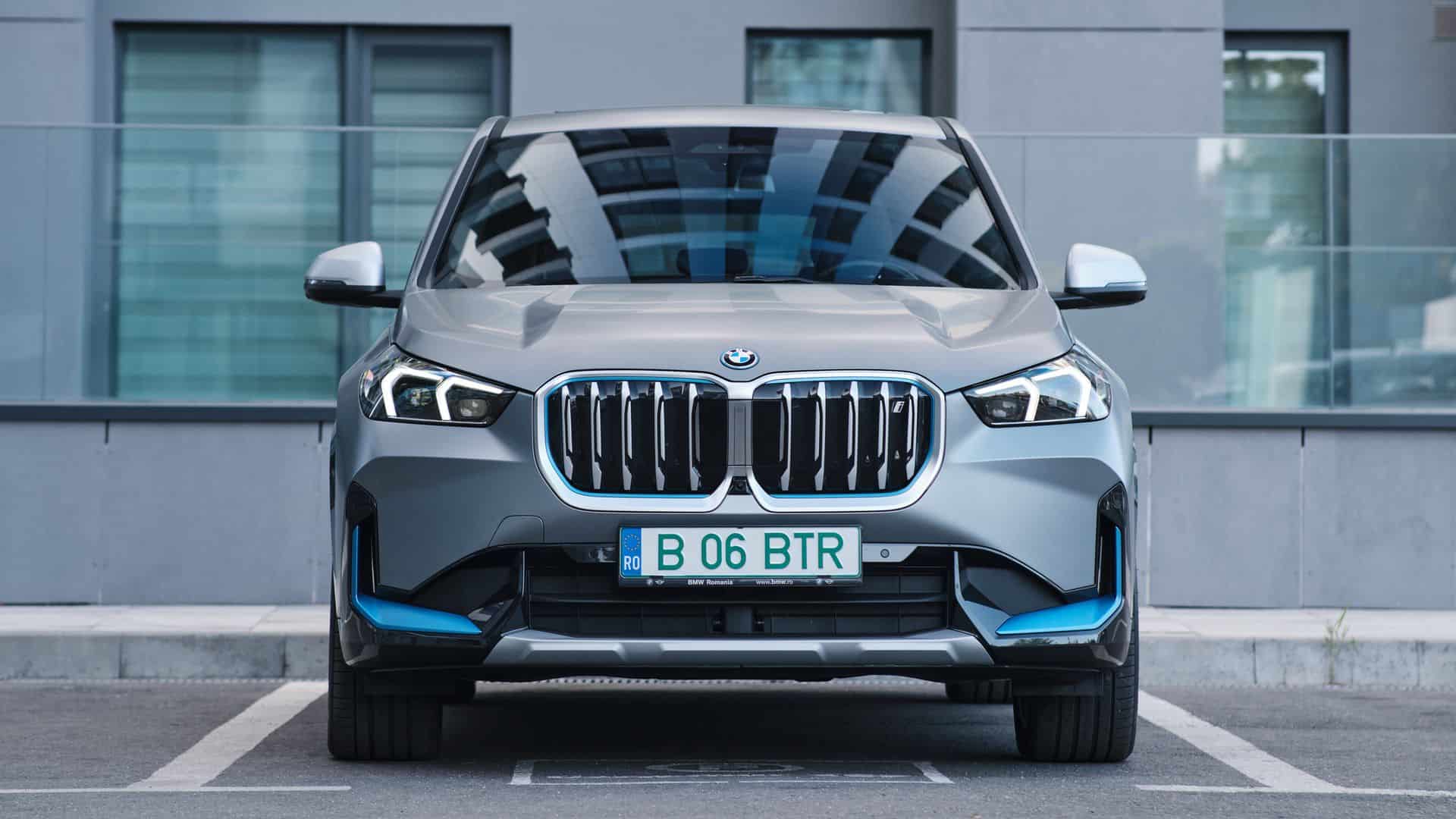
Perhaps the most structurally significant shift visible in these figures is how thoroughly electrified variants have embedded themselves in BMW’s German sales mix. The iX1 led all electric models with 1,658 units in March — meaning fully 35.9 percent of all X1/iX1 registrations were battery-electric. The iX3, despite its truncated month, came within roughly 350 units of that total. Given a full month of availability, it could realistically challenge the iX1 for electric supremacy within the X family.
The i4 and i5 also both crossed four-figure thresholds in March, reinforcing the sense that BMW’s electric lineup in Germany has moved well past the early-adopter phase and into genuine mainstream volume.
Q1 2026: The full picture
Across the entire first quarter, the X1 stands alone as the only BMW model to have crossed 10,000 registrations, finishing at 10,618 units. The X3 sits at 9,191 for the quarter, and the 5 Series rounds out the top three at 7,889. The contribution of electric variants to these totals is non-trivial: the iX1, iX3, and i5 each played a material role in sustaining the volume of their respective model families.
The i4’s performance within the 4 Series range is particularly striking. With a 44.8 percent share of all 4 Series registrations in Q1, the electric gran coupe now accounts for nearly half of what was once an exclusively combustion-engined lineup. That figure speaks less to any collapse in demand for the ICE variants and more to the enduring appeal of the i4 — a car that has quietly become one of BMW’s most consistent performers since its launch.
With the iX3 now ramping up through Q2 and the Neue Klasse era effectively underway, the second quarter of 2026 promises to be the most revealing yet for where BMW’s German sales mix is genuinely heading.
[Via: BimmerToday]
First published by https://bit.ly/3sM6JoH
Comments
Post a Comment